When families disagree with doctors, the tension rarely begins with hostility—it begins with fear, uncertainty, and different interpretations of risk. Families may believe more treatment is necessary, while physicians may see futility. Doctors may recommend urgent intervention, while relatives hesitate, overwhelmed by consequences.
Understanding what happens when families disagree with doctors requires clarity about rights, decision authority, medical limits, and ethical boundaries. Without that clarity, disagreement can escalate into conflict, delay treatment, or damage trust permanently.
This guide explains how such disagreements should be approached responsibly—before emotion overtakes structure.
Why Disagreements Between Families and Doctors Are Common
Medical decisions involve:
- Uncertainty
- Risk assessment
- Ethical judgment
- Prognosis interpretation
When families disagree with doctors, it is often because:
- Risk tolerance differs
- Expectations are unrealistic
- Information was misunderstood
- Emotional distress overrides analysis
Disagreement alone does not imply wrongdoing.
This discussion is part of our broader Family Health Law, Rights & Medical Liability framework, where we examine how authority, accountability, and patient protection intersect in complex healthcare decisions.
When Families Disagree With Doctors: Who Actually Has Decision Authority?
Authority depends on capacity.
If the Patient Has Decision-Making Capacity
When a patient is conscious and mentally competent:
- The patient—not the family—holds legal authority.
- Doctors must respect the patient’s informed decision.
- Families may advise but cannot override.
This principle is grounded in patient autonomy, explained in detail in our guide on Understanding Patient Rights in Family Healthcare Decisions.
If the Patient Lacks Capacity
If the patient cannot decide:
- A legally appointed proxy acts.
- A guardian may hold authority.
- Next of kin may decide (depending on jurisdiction).
When families disagree with doctors in these situations, authority rests not on emotion but on legally recognized decision-making roles.
Limits of Family Authority in Medical Disagreements
Family authority has boundaries.
Families cannot:
- Demand treatment that violates professional standards.
- Force providers to administer non-indicated procedures.
- Override ethical or safety guidelines.
Similarly, doctors cannot:
- Ignore legally valid refusal.
- Override a competent patient’s decision.
- Dismiss family concerns without explanation.
Understanding limits prevents escalation.
Ethical Tension When Families Disagree With Doctors
Disagreement often centers on:
- Continuing life-sustaining treatment
- Withholding or withdrawing intervention
- Experimental or non-standard therapies
- Aggressive treatment versus comfort care
These scenarios are explored further in our Medical Ethics, Consent & Decision-Making section, where ethical tension is analyzed beyond legal authority.
Ethical disagreement does not automatically equal negligence.
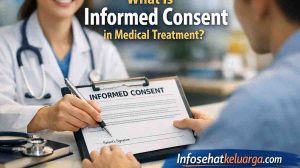
The Role of Informed Consent in Resolving Disputes
When families disagree with doctors, informed consent becomes critical.
If:
- Risks were clearly explained,
- Alternatives discussed,
- Patient wishes documented,
Then disagreement can often be reframed as differing value judgments—not procedural failure.
Our detailed explanation of consent is available in What Is Informed Consent in Medical Treatment?
Clarity in consent documentation often resolves disputes before they intensify.
When Disagreement Signals Possible Negligence
Not all disputes are emotional.
Concerns may be justified if:
- Information was withheld.
- Risks were not disclosed.
- Standards of care were ignored.
- Communication was dismissive or misleading.
In such cases, families may need to understand the distinction discussed in Medical Negligence vs Medical Complications before assuming fault.
Practical Steps for Safe Resolution When Families Disagree With Doctors
Experienced patient advocates recommend:
- Request a structured explanation in plain language.
- Ask what evidence supports the recommendation.
- Clarify prognosis probabilities—not certainties.
- Document conversations.
- Seek a second opinion without framing it as accusation.
- Request ethics consultation if available.
These steps shift the focus from confrontation to clarification.
System Factors That Influence Medical Disagreement
Hospitals operate within:
- Resource limitations
- Regulatory obligations
- Ethical review structures
- Institutional policies
Sometimes what appears as personal refusal by a physician reflects system constraints rather than individual unwillingness.
Understanding this prevents misdirected blame.
Frequently Asked Questions When Families Disagree With Doctors
Can a hospital override family wishes?
Yes, if requested treatment violates medical standards or ethics.
Can families refuse recommended treatment?
Yes—if they hold legal authority and the refusal is informed.
Should disagreements immediately involve legal action?
No. Most disputes are resolved through communication, documentation, and ethics consultation.
What if communication breaks down completely?
Formal review, patient advocacy services, or mediation may be appropriate before escalation.
Expert Insight: How to Protect Relationships During Disagreement
Disagreement handled poorly destroys trust. Handled properly, it strengthens understanding.
Key principles:
- Separate medical facts from emotional reaction.
- Ask questions instead of making accusations.
- Clarify authority before asserting demands.
- Recognize uncertainty as part of medicine.
- Focus on patient interest—not family fear.
Families who understand structure tend to resolve conflict faster.
Why Understanding Disagreement Prevents Escalation
When families disagree with doctors, the goal is not victory—it is clarity.
Escalation often occurs when:
- Authority is misunderstood.
- Communication is incomplete.
- Documentation is unclear.
- Ethical boundaries are ignored.
Understanding rights and limits protects:
- Patients
- Families
- Providers
- Institutional integrity
🔹 Bottom Line: Clarity Before Confrontation
Disagreement in healthcare is inevitable. Escalation is not.
Families who understand what happens when families disagree with doctors are better equipped to ask informed questions, recognize legitimate limits, and seek resolution without turning uncertainty into conflict.
In healthcare, clarity is not weakness—it is protection.
Reference
- Ethical consultation frameworks used by major hospital systems
- Accountability standards referenced by national medical associations