
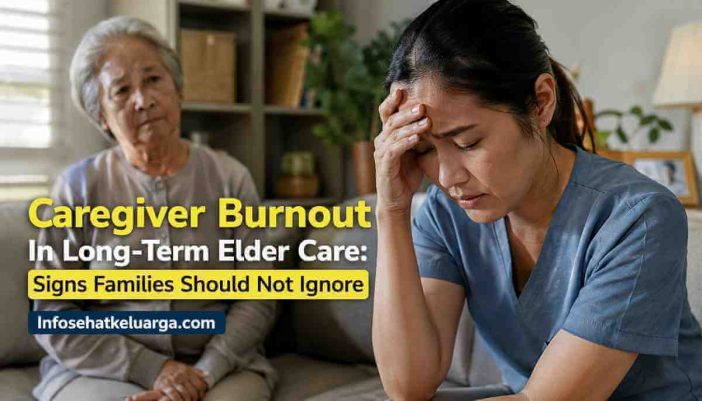
An elderly father wakes up three times every night because he no longer remembers where the bathroom is. A mother recovering from a stroke needs help bathing, eating, and taking medications. Appointments accumulate, bills arrive, and siblings who promised support gradually become less available.
For many families, caregiving does not collapse dramatically. It wears people down quietly.
What begins as an act of love can evolve into chronic exhaustion, frustration, guilt, and isolation. Some caregivers stop seeing friends. Others neglect their own medical appointments. A few become emotionally numb toward the person they are trying hardest to protect.
Recognizing caregiver burnout in long-term elder care is not about admitting failure. It is about understanding that sustained caregiving has limits, and ignoring those limits may eventually compromise both caregiver wellbeing and patient safety.
What Is Caregiver Burnout?
Caregiver burnout is a state of physical, emotional, and mental exhaustion caused by prolonged caregiving responsibilities.
Unlike ordinary fatigue, burnout often persists despite short periods of rest.
Caregiver burnout may develop over months or years and commonly affects family members who provide unpaid assistance to aging relatives.
People caring for older adults with:
- dementia
- Parkinson’s disease
- stroke disabilities
- heart failure
- advanced cancer
- severe arthritis
appear to experience particularly high levels of caregiver burden.
Why Long-Term Elder Care Creates Unique Challenges
Caregiving Rarely Has A Predictable End Point
Many illnesses affecting older adults do not follow a clear recovery path.
Conditions such as Alzheimer’s disease may worsen gradually over several years.
This uncertainty creates psychological pressure because caregivers cannot anticipate when responsibilities might decrease.
Family Roles Often Change Suddenly
Adult children may become responsible for managing finances, medications, transportation, and daily hygiene.
Spouses in their seventies or eighties may find themselves caring for partners while coping with their own health problems.
Financial Pressure Builds Over Time
Families sometimes reduce working hours or leave employment entirely.
Expenses may include:
- home modifications
- medical supplies
- transportation
- paid respite services
- private nursing assistance
Early Signs Of Caregiver Burnout Families Should Not Ignore
Burnout usually develops gradually.
Identifying warning signs early may help prevent serious consequences.
Persistent Physical Exhaustion
Warning symptoms include:
- waking up tired every day
- headaches
- muscle pain
- digestive problems
- frequent infections
Emotional Irritability
Caregivers may become impatient over minor issues.
Small requests can trigger disproportionate frustration.
Social Withdrawal
People experiencing burnout often stop participating in activities they previously enjoyed.
Phone calls remain unanswered.
Vacations disappear.
Friendships slowly fade.
Sleep Disturbances
Many caregivers report:
- difficulty falling asleep
- waking repeatedly
- nightmares
- sleeping excessively
Loss Of Compassion
One of the least discussed signs is emotional detachment.
Some caregivers begin treating caregiving tasks mechanically.
Others feel guilty because they no longer experience affection toward the person they care for.
How Caregiver Burnout Can Affect Older Adults
Burnout is not only a caregiver problem.
It may also influence patient outcomes.
Potential consequences include:
- medication mistakes
- missed appointments
- nutritional neglect
- accidental injuries
- communication breakdowns
In severe situations, chronic stress may contribute to verbal aggression or neglect.
A Simple Burnout Self-Assessment Checklist
Answer these questions honestly.
| Question | Yes | No |
|---|---|---|
| Do you feel trapped by caregiving duties? | ||
| Have you postponed your own medical care? | ||
| Are you sleeping less than six hours most nights? | ||
| Do you feel angry more often than before? | ||
| Have you stopped seeing friends regularly? | ||
| Do you sometimes wish someone else would take over permanently? |
Three or more positive responses suggest that additional support may be beneficial.
Practical Strategies To Reduce Caregiver Burnout
Accept That One Person Cannot Do Everything
Many caregivers believe asking for help means abandoning responsibility.
In reality, sustainable caregiving depends on sharing responsibilities.
Create A Caregiving Team
Tasks can be divided among family members.
Examples include:
- grocery shopping
- transportation
- medication monitoring
- financial paperwork
- overnight supervision
Sharing routine responsibilities is only one part of a sustainable caregiving arrangement. Families should also prepare for unexpected absences by creating a backup care plan for aging parents that identifies replacement caregivers and essential handoff information.
Explore Respite Care Services
Temporary assistance allows caregivers to rest and recover.
Respite support may involve:
- adult day programs
- short-term residential care
- in-home professional aides
Schedule Personal Health Appointments
Caregivers frequently postpone preventive healthcare.
Maintaining personal health is part of responsible caregiving rather than selfish behavior.
Families struggling with complex decisions about aging relatives may also benefit from reading our guide on Medical Decision-Making Capacity Explained, particularly when cognitive decline affects treatment choices.
Expert Insight
Families often focus exclusively on medical treatment plans for older adults.
However, experienced geriatric teams increasingly recognize caregiver wellbeing as an important component of patient care.
An exhausted caregiver may unintentionally become another patient.
Monitoring caregiver stress should therefore become a routine family discussion, particularly when elder care extends beyond several months.
Discussions about caregiver wellbeing often overlap with ethical questions addressed in our Medical Ethics, Consent & Decision-Making hub.
Trust And Verification
This article provides educational information intended to support family discussions about caregiving challenges.
Burnout symptoms can overlap with anxiety disorders, depression, and other medical conditions. Individuals experiencing persistent emotional distress should consider consulting licensed healthcare professionals or mental health specialists.
Frequently Asked Questions
Is caregiver burnout considered a medical condition?
Burnout itself is not always diagnosed as a specific disease, but prolonged caregiver stress may contribute to depression, anxiety, hypertension, and sleep disorders.
How common is caregiver burnout?
Studies consistently suggest that family caregivers providing long-term support to older adults experience higher rates of stress and emotional exhaustion than the general population.
Can caregiver burnout improve without professional help?
Some individuals recover through better support systems and respite opportunities. Others may benefit from counseling, caregiver support groups, or medical evaluation.
Protecting The Person Providing Care
Families naturally worry about preserving the dignity and safety of aging parents.
Yet caregiving relationships function best when everyone involved acknowledges human limitations.
The goal of long-term elder care should not be endless sacrifice.
It should be creating a sustainable system in which older adults receive compassionate assistance while caregivers retain their own health, relationships, and sense of identity.
Readers planning future care arrangements may also explore the Caregiving, Elder Care Systems & Family Responsibility hub for additional resources on aging, family roles, and long-term support planning.
Referensi
- National Institute on Aging
- Family Caregiver Alliance
- American Geriatrics Society