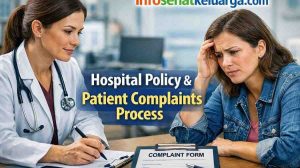
Family medical disputes arise when expectations, medical judgment, and legal authority collide. Whether disagreement concerns treatment refusal, life-sustaining care, or allegations of negligence, the underlying issue is rarely simple. It is shaped by patient rights, informed consent, professional standards, and ethical boundaries operating within complex healthcare systems.
Understanding how family medical disputes unfold—and how responsibility is determined—prevents emotional escalation and protects everyone involved. This guide consolidates the full framework families need before conflict begins.
This comprehensive guide is part of our Family Health Law, Rights & Medical Liability framework, where we examine how authority, accountability, and ethical boundaries shape complex healthcare decisions.
What Triggers Family Medical Disputes?
Family medical disputes commonly arise from:
- Disagreement about prognosis
- Refusal of recommended treatment
- Allegations of negligence
- Communication breakdown
- Unclear decision authority
These triggers do not automatically signal wrongdoing—but they demand structured clarity.
Patient Rights as the Foundation of Medical Decision Authority
At the core of most disputes is authority.
A detailed breakdown is provided in Understanding Patient Rights in Family Healthcare Decisions, but the essential principle is simple:
- Competent patients decide for themselves.
- Families decide only when legally authorized.
- Providers must respect lawful refusal.
Authority confusion is the fastest path to conflict.
Informed Consent: The Turning Point in Responsibility
In many family medical disputes, documentation of consent becomes decisive.
As explained in What Is Informed Consent in Medical Treatment?, valid consent requires:
- Disclosure
- Understanding
- Voluntariness
- Capacity
If informed consent was properly obtained, responsibility for known risks may shift. If it was not, the evaluation changes.
Medical Negligence vs Medical Complications
Not every adverse outcome is negligence.
Our guide on Medical Negligence vs Medical Complications explains the distinction clearly:
- Complication = known risk despite proper care
- Negligence = deviation from accepted standard
Family medical disputes frequently blur this line under emotional pressure.
Clarity prevents premature accusation.
When Families Disagree With Doctors
Disagreement alone does not indicate failure.
In When Families Disagree With Doctors: Rights, Limits, and Safe Resolution, we outline:
- Limits of family authority
- Ethical constraints on providers
- Safe escalation pathways
Most disputes are resolved through structured dialogue—not litigation.
How Hospital Ethics Committees Intervene
In complex situations, hospitals may involve ethics committees.
As detailed in How Hospital Ethics Committees Work in Family Disputes, these committees:
- Review ethical complexity
- Clarify authority
- Provide recommendations
- Restore structured communication
They do not function as courts—but as stabilizing mechanisms.
The Chain of Responsibility in Medical Disputes
Responsibility may involve:
- The patient
- The legally authorized family member
- The treating physician
- The healthcare institution
- Systemic constraints
Our analysis in Who Is Responsible When Medical Decisions Go Wrong? explores this chain in depth.
Responsibility is rarely isolated to one actor.
Ethical Dimensions of Family Medical Disputes
Legal authority is not always sufficient.
Ethical tension often centers on:
- End-of-life decisions
- Withdrawal of treatment
- Resource allocation
- Conflicting value systems
These themes are examined in our Medical Ethics, Consent & Decision-Making section.
Ethical clarity reduces legal escalation.
Practical Framework for Families Before Conflict Escalates
Families navigating potential disputes should:
- Clarify decision authority immediately
- Request structured explanation of risks
- Confirm consent documentation
- Separate emotional reaction from factual review
- Seek second opinions respectfully
- Request ethics consultation when needed
Structure prevents escalation.
Frequently Asked Questions About Family Medical Disputes
Do family medical disputes always lead to lawsuits?
No. Most are resolved through communication and institutional review.
Can families override doctors?
Only within legal authority boundaries.
Does a signed consent eliminate responsibility?
No. Professional standards still apply.
When should legal advice be considered?
When documentation is unclear, authority is contested, or negligence is reasonably suspected.
Why Clarity Is the Strongest Protection in Healthcare Conflict
Family medical disputes are rarely about hostility. They are about uncertainty.
Understanding rights, consent, responsibility, and ethical structure allows families to:
- Ask informed questions
- Avoid premature blame
- Protect patient dignity
- Preserve professional trust
Clarity is protection.
🔹 Bottom Line
Medical care operates under risk, complexity, and human limitation. Disputes become destructive only when structure is absent.
Families who understand the full framework of family medical disputes are not powerless—they are prepared. Preparation reduces escalation. Clarity prevents regret.