
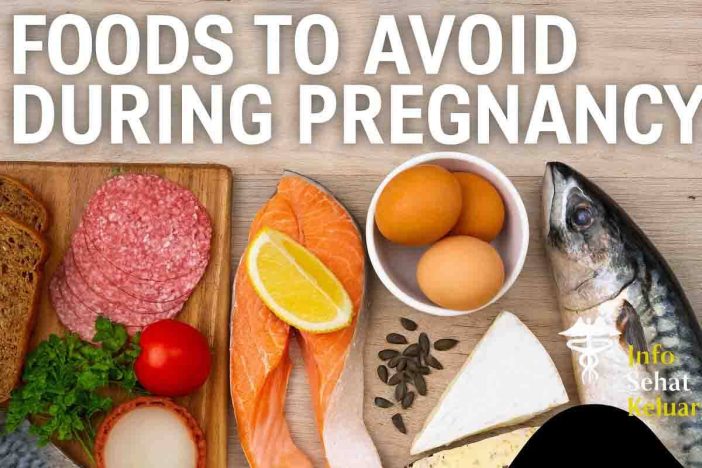
Foods to Avoid During Pregnancy is more than a medical checklist—it’s a moment of hesitation that plays out in countless kitchens. Sarah, a first-time mom in Chicago, stood over a plate of sushi on a quiet Sunday morning. It had always been her comfort food, a small ritual after long weeks. But now, eight weeks pregnant, she froze. The salmon glistened, the wasabi tempted, yet a small voice inside whispered: Is this safe for my baby?
This simple scene reflects a universal struggle for expectant mothers. Every bite is no longer just about taste—it’s about responsibility: safeguarding development, protecting health, and shaping a child’s future. That’s why understanding the list of foods to avoid during pregnancy is so important—not to create fear, but to offer clarity and peace of mind.
Why Some Foods Become Risky During Pregnancy
Pregnancy transforms the body in extraordinary ways, but it also makes you more vulnerable. A mother’s immune system naturally lowers its defenses to support fetal growth. That’s why bacteria or toxins that may cause mild discomfort in others can trigger serious complications in pregnant women.
According to the Centers for Disease Control and Prevention (CDC), pregnant women are 10 times more likely to get listeriosis (a serious infection caused by Listeria monocytogenes) compared to the general population. The consequences? Miscarriage, premature birth, or even life-threatening infections for the newborn.
Understanding these risks isn’t about fear—it’s about empowerment. By learning which foods to avoid, you reduce preventable dangers while keeping both you and your baby healthy.
Early breastfeeding is not just about bonding—it also strengthens your baby’s immune system from day one. By linking foods to avoid during pregnancy with Inisiasi Menyusui Dini, readers can see how maternal choices before birth flow directly into newborn health.
Foods to Avoid During Pregnancy
1. High-Mercury Fish
Fish is usually a fantastic source of protein and omega-3 fatty acids, but some types contain dangerously high levels of mercury. Mercury can cross the placenta, affecting a baby’s developing brain and nervous system.
- Examples to avoid: Shark, swordfish, king mackerel, bigeye tuna.
- Safer alternatives: Salmon, sardines, trout, and anchovies—low-mercury and high in DHA.
The U.S. Food and Drug Administration (FDA) recommends that pregnant women consume 8–12 ounces per week of low-mercury fish for optimal benefits.
According to the FDA’s official guidance on eating fish during pregnancy, not all seafood needs to be avoided—many types are actually beneficial when chosen carefully. The resource breaks down safe fish by mercury level and serving sizes, helping mothers get essential nutrients without unnecessary risk. By reviewing this list, expectant mothers can plan balanced meals while confidently steering clear of high-mercury varieties like shark or swordfish. This evidence-based guide is a trusted reference you can rely on during your pregnancy journey.
2. Raw or Undercooked Seafood
That sushi Sarah was craving? It’s risky. Raw fish, oysters, clams, and scallops can contain harmful bacteria and parasites. One major concern is Listeria, which thrives even in refrigerated conditions.
- Risks: Severe infection, stillbirth, premature delivery.
- Safe swaps: Cooked sushi rolls (like California rolls made with cooked crab), fully baked salmon dishes, or vegetarian sushi.
💡 Tip: If you can’t resist sushi, choose reputable restaurants that offer fully cooked options.
3. Deli Meats and Hot Dogs (Unless Reheated)
Cold cuts, salami, bologna, and hot dogs are prone to Listeria contamination. Even when refrigerated, bacteria can grow silently.
- Safe practice: Heat deli meats until steaming hot (about 165°F or 74°C) before eating.
- Alternatives: Freshly cooked chicken, turkey, or beef slices prepared at home.
The American College of Obstetricians and Gynecologists (ACOG) stresses reheating as a simple but effective precaution.
4. Raw or Undercooked Eggs
Eggs are a protein powerhouse, but raw or undercooked eggs may harbor Salmonella. That means avoiding:
- Homemade mayonnaise
- Hollandaise sauce
- Soft-scrambled or runny eggs
- Tiramisu and mousse made with raw eggs
Instead, look for pasteurized eggs—safe for making dressings and desserts without the risk.
5. Unpasteurized Dairy and Soft Cheeses
That fancy brie or queso fresco may seem harmless, but if unpasteurized, it can carry Listeria.
- Avoid: Brie, camembert, blue cheese, feta, queso blanco (unless labeled pasteurized).
- Choose instead: Hard cheeses like cheddar, Swiss, or pasteurized soft cheeses.
In 2023, the CDC reported that nearly 20% of listeriosis cases in pregnant women were linked to contaminated dairy products.
6. Raw Sprouts
Sprouts like alfalfa, mung bean, clover, and radish can hide bacteria such as E. coli or Salmonella inside the seed itself, making them nearly impossible to wash clean.
- Avoid: Raw sprouts in sandwiches and salads.
- Alternative: Cook sprouts thoroughly or replace with fresh greens like spinach or kale.
7. Alcohol (Zero Safe Level)
Unlike other items on this list, alcohol has no safe threshold in pregnancy. It passes directly to the fetus, increasing the risk of fetal alcohol spectrum disorders (FASDs). These can cause lifelong learning, behavioral, and developmental issues.
- Safer choice: Sparkling water, mocktails, or non-alcoholic beer (but check labels carefully).
- Research: The National Institute on Alcohol Abuse and Alcoholism (NIAAA) confirms that alcohol exposure is one of the leading preventable causes of birth defects.
Additional Foods to Limit
While not strictly forbidden, some foods should be limited:
- Caffeine: Keep under 200 mg/day (about one 12-oz cup of coffee).
- Artificial sweeteners: Prefer natural alternatives like honey or maple syrup.
- Highly processed junk foods: Excess sugar and sodium raise risks of gestational diabetes and high blood pressure.
Actionable Tips for Everyday Safety
- Read labels carefully – choose only pasteurized dairy and juices.
- Practice safe cooking – cook meats thoroughly, wash hands, and avoid cross-contamination.
- Plan meals ahead – stock up on safe snacks like nuts, yogurt, and fresh fruit to avoid impulsive risky choices.
- Stay hydrated – water helps flush toxins and keeps digestion smooth.
Wrap It Up: Empowering Choices
Pregnancy is not about restriction, but about mindful choices. Knowing the foods to avoid during pregnancy isn’t meant to steal your joy—it’s meant to protect your child’s future.
So next time you find yourself craving deli meat, sushi, or soft cheese, pause. Ask: Is there a safer swap? Because every careful choice today becomes a gift of health tomorrow.
Pregnancy is a journey of love and protection. And sometimes, love means saying “not now” to certain foods—so your little one can thrive later.

