
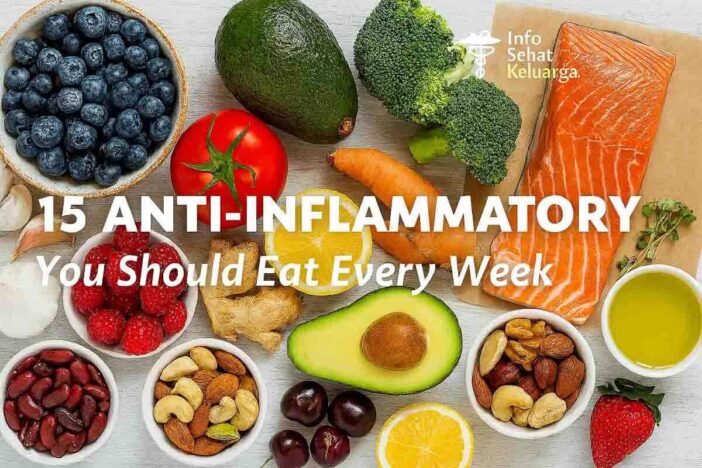
Anti inflammatory foods are nature’s powerful tools to help the body heal, prevent chronic illnesses, and maintain overall wellness. While inflammation is a natural defense mechanism, chronic inflammation can silently damage your tissues and organs over time, leading to heart disease, diabetes, arthritis, obesity, and even some cancers. The good news is that by eating certain anti-inflammatory foods regularly, you can lower inflammation naturally, boost immunity, and improve your quality of life.
In this comprehensive guide, we’ll explore 15 of the best anti-inflammatory foods you should eat every week, their scientifically proven benefits, how to include them in your diet, and tips to maximize their healing potential.
According to Harvard Health, including a variety of anti-inflammatory foods in your diet can significantly reduce chronic disease risk.
Anti Inflammatory Foods You Should Eat Every Week
1. Berries
Berries like blueberries, strawberries, raspberries, and blackberries are packed with antioxidants, especially anthocyanins, which have been shown to reduce inflammation and protect against oxidative stress.
Why they work: Anthocyanins neutralize harmful free radicals, reducing inflammation markers like CRP (C-reactive protein).
How to eat them: Add fresh or frozen berries to your breakfast oatmeal, blend them into smoothies, or enjoy them as a snack.
Research says: A study published in the Journal of Nutrition found that blueberry consumption reduces inflammation in adults with metabolic syndrome.
2. Fatty Fish
Examples include salmon, mackerel, sardines, and tuna.
Why they work: These fish are rich in omega-3 fatty acids (EPA & DHA), which directly lower inflammatory eicosanoids and cytokines.
How to eat them: Grill or bake fatty fish twice a week, or add canned sardines to salads for a quick omega-3 boost.
Research says: According to the American Heart Association, eating fatty fish twice a week significantly reduces the risk of heart disease.
For more tips on improving heart health through diet, check out our guide on natural blood thinners and how they work to keep your circulation in top shape.
3. Leafy Greens
Spinach, kale, collard greens, and Swiss chard are loaded with vitamins A, C, and K, as well as antioxidants.
Why they work: The polyphenols in leafy greens fight inflammation at the cellular level.
How to eat them: Use them in salads, soups, green smoothies, or stir-fry dishes.
4. Turmeric
Known as the golden spice, turmeric contains curcumin, a compound with potent anti-inflammatory properties.
Why they work: Curcumin blocks NF-kB, a molecule that turns on genes related to inflammation.
How to eat them: Add turmeric to curries, soups, or make golden milk with turmeric and plant-based milk. Pair with black pepper to improve absorption by up to 2,000%.
5. Green Tea
Why they work: Rich in EGCG (epigallocatechin gallate), green tea fights inflammation and oxidative stress.
How to drink it: Brew 1–2 cups daily and avoid adding too much sugar.
6. Olive Oil
Extra virgin olive oil is a cornerstone of the Mediterranean diet.
Why they work: Contains oleocanthal, which acts similarly to ibuprofen in reducing inflammation.
How to use it: Drizzle on salads, roasted vegetables, or use as a base for homemade dressings.
7. Nuts
Almonds, walnuts, pistachios, and cashews are excellent sources of healthy fats, magnesium, and antioxidants.
Why they work: Walnuts, for example, are high in ALA (alpha-linolenic acid), a plant-based omega-3.
How to eat them: Enjoy a handful of nuts as a snack or sprinkle them over yogurt.
8. Tomatoes
Why they work: Rich in lycopene, which reduces pro-inflammatory compounds.
How to eat them: Roast tomatoes for better lycopene absorption or add fresh slices to salads.
9. Garlic
Why they work: Contains sulfur compounds like allicin, which modulate the immune system and reduce inflammation.
How to eat them: Use fresh minced garlic in cooking instead of processed garlic powder.
10. Ginger
Why they work: Gingerol in ginger reduces inflammatory pathways and oxidative stress.
How to eat them: Brew ginger tea, add grated ginger to stir-fries, or blend into smoothies.
11. Avocado
Why they work: Packed with potassium, fiber, and monounsaturated fats that reduce inflammation.
How to eat them: Spread mashed avocado on whole grain toast or add to salads.
12. Cherries
Why they work: Tart cherries contain anthocyanins that lower inflammation and muscle soreness.
How to eat them: Drink tart cherry juice after workouts or enjoy fresh cherries as dessert.
13. Beans
Why they work: High in fiber, protein, and phytonutrients that lower CRP levels.
How to eat them: Add black beans to tacos or lentils to soups.
14. Dark Chocolate
Why they work: Flavonoids in dark chocolate reduce inflammation and improve circulation.
How to eat them: Choose 70% cocoa or higher for maximum benefits.
15. Broccoli
Why they work: Rich in sulforaphane, which blocks inflammatory pathways.
How to eat them: Steam lightly to preserve nutrients..
Pro Tips to Maximize Benefits
- Mix and match these foods throughout the week.
- Combine them with other healthy habits like regular exercise and adequate sleep.
- Avoid processed foods and sugary drinks that can trigger inflammation.