
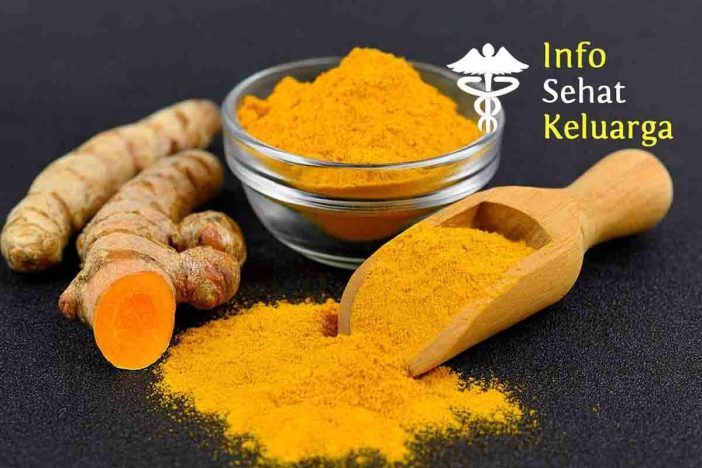
Turmeric curcumin anti-inflammatory benefits have become a buzz phrase, but what do they really mean? Picture a crowded spice market in Jakarta: vendors scoop golden powder into paper cones, and the air fills with the earthy scent of turmeric. A grandmother explains how she mixes turmeric into jamu to ease her husband’s aching knees, while a university student nearby scrolls through research papers on her phone.
This juxtaposition of folk wisdom and modern science reflects the story of turmeric. To help you navigate the claims, this article lays out seven distinct “super cures” — seven ways that Turmeric curcumin anti-inflammatory benefits can support your health — backed by evidence and presented in an engaging narrative style.
Learn how turmeric fits into a broader pattern of anti-inflammatory nutrition—this guide on 15 Anti Inflammatory Foods offers an easy way to balance your weekly diet while naturally reducing inflammation. It perfectly complements our deep dive into turmeric’s specific “super cures.”
Turmeric Curcumin Anti-inflammatory Benefits
1. Joint and Musculoskeletal Relief
The first super cure revolves around relieving joint and muscle pain. Osteoarthritis and rheumatoid arthritis are marked by inflammation and degeneration of cartilage. Clinical trials show that people taking curcumin supplements report less pain and greater mobility than those on placebo.
In some studies, curcumin’s effects were comparable to ibuprofen but without the gastrointestinal side effects. Curcumin targets COX‑2 and inflammatory cytokines like IL-1 and TNF-α, helping to calm swollen joints. Athletes also use turmeric to ease muscle soreness after training. Incorporating Turmeric curcumin anti-inflammatory benefits into your regimen can therefore serve as a natural alternative for joint relief.
Practical tips: Add a teaspoon of turmeric to soups or smoothies, pair it with black pepper for better absorption, and consider standardised supplements (500–1,000 mg per day) to support joint health. Gentle activities like yoga or swimming complement these benefits.
2. Digestive Harmony and Gut Health
Inflammatory bowel diseases such as ulcerative colitis and Crohn’s disease involve chronic inflammation of the digestive tract. In a 2016 study, patients taking 2 grams of curcumin daily alongside standard medication achieved higher remission rates than those on medication alone.
People with irritable bowel syndrome have also reported reduced abdominal pain and improved quality of life when consuming curcumin. By modulating gut inflammation and supporting the intestinal barrier, Turmeric curcumin anti-inflammatory benefits contribute to healthier digestion. This second super cure emphasises that curcumin’s anti-inflammatory actions extend beyond joints to the gut microbiome.
Practical tips: Integrate turmeric into rice, lentils and stews; drink turmeric tea with ginger; and maintain a diet rich in fibre and fermented foods to nourish your microbiota. Start with small amounts and monitor your body’s response.
3. Metabolic and Blood Sugar Support
The third super cure addresses metabolism. Chronic inflammation can drive insulin resistance and weight gain. Research suggests that curcumin improves insulin sensitivity, lowers fasting glucose and reduces triglycerides. In people with metabolic syndrome, curcumin has been linked to decreases in body mass index and waist circumference.
These findings align with traditional use of turmeric in metabolic disorders and underscore how health benefits of turmeric intersect with modern concerns like diabetes and obesity. By dampening inflammatory signals that disrupt hormone balance, curcumin anti-inflammatory properties help restore metabolic harmony.
Practical tips: Use turmeric when preparing healthy fats and proteins; for example, season salmon or tofu with turmeric and black pepper. Combine its use with regular exercise and monitor blood sugar levels if you have diabetes.
4. Cardiovascular Protection
The fourth super cure involves protecting the heart and blood vessels. Inflammation and oxidative stress contribute to atherosclerosis, high blood pressure and heart attacks. One study following coronary bypass patients found that 4 grams of curcumin per day reduced postoperative heart attack risk by 65%.
Other research shows that curcumin can lower LDL cholesterol and triglycerides while improving HDL cholesterol. It also enhances endothelial function, enabling arteries to dilate properly. These effects illustrate how Turmeric curcumin anti-inflammatory benefits can support cardiovascular health.
Practical tips: Try a golden milk latte made with turmeric, ginger and coconut milk for a heart‑friendly beverage. Create spice blends that include turmeric, cumin and coriander for seasoning roasted vegetables or lean proteins. If you take blood‑thinning medication, consult your healthcare provider before adding high‑dose curcumin supplements.
Turmeric’s anti-inflammatory powers also support healthy blood flow—this article on Natural Blood Thinners highlights how curcumin contributes to cardiovascular health and reduces risks linked to clotting and poor circulation.
5. Brain Function and Mental Well‑being
Inflammation doesn’t spare the brain; it plays a role in cognitive decline and mood disorders. Curcumin can cross the blood‑brain barrier and has been shown to increase brain‑derived neurotrophic factor, supporting neuron growth. In one double‑blind trial, adults taking 90 mg of curcumin twice daily for 18 months improved memory performance and showed reduced amyloid accumulation, which is linked to Alzheimer’s disease.
Additionally, curcumin may boost serotonin and dopamine, easing symptoms of depression. This fifth super cure highlights how Turmeric curcumin anti-inflammatory benefits extend to mental health.
Practical tips: Incorporate turmeric into breakfast dishes like scrambled eggs or tofu; pair its use with regular physical activity and mental exercises to enhance cognitive benefits. Begin with low doses to avoid digestive discomfort.
6. Immune Support and Potential Cancer Adjuvant
Your immune system relies on a balanced inflammatory response. Curcumin has been shown to enhance the activity of T cells, B cells and natural killer cells. In cancer research, curcumin induces apoptosis (programmed cell death) in tumour cells, inhibits angiogenesis (the growth of new blood vessels in tumours) and reduces metastasis. It may also sensitize cancer cells to chemotherapy.
While curcumin should not replace standard therapies, this sixth super cure underscores its role as a supportive agent. By modulating immune function and cellular signalling, Turmeric curcumin anti-inflammatory benefits bolster the body’s natural defences.
Practical tips: Enjoy turmeric in immune‑boosting soups with garlic and vegetables; maintain a balanced diet rich in antioxidants; and consult your healthcare provider before using curcumin alongside cancer treatments.
7. Antioxidant Power and Detoxification
The seventh and final super cure focuses on curcumin’s antioxidant capacity. Free radicals can damage lipids, proteins and DNA, leading to accelerated aging and disease. Curcumin neutralises reactive oxygen species and elevates the activity of endogenous antioxidant enzymes like superoxide dismutase and glutathione peroxidase.
Studies show that curcumin supplementation enhances overall antioxidant status and reduces markers of oxidative stress. These curcumin anti-inflammatory properties complement detoxification processes in the liver, supporting overall vitality.
Practical tips: Combine turmeric with other antioxidant‑rich ingredients such as berries, citrus and leafy greens. Drinking turmeric-infused water with lemon can aid hydration and detoxification. Remember to include a fat source (like olive oil) when cooking with turmeric to enhance absorption.
Maximising Bioavailability
Although turmeric contains only about 3% curcumin by weight, you can maximise its benefits with strategic preparation. Black pepper’s piperine increases curcumin absorption by up to 2,000%. Heat and fat also help; Ayurvedic recipes simmer turmeric in ghee or coconut oil to improve bioavailability.
Supplement companies use phospholipid complexes and nanoparticles to deliver higher concentrations to the bloodstream. Daily use of turmeric in food provides a steady trickle of Turmeric curcumin anti-inflammatory benefits; supplements can boost levels when therapeutic doses are needed.
Safety Considerations
Kurkumin is generally safe, but high doses may cause nausea, bloating or diarrhoea. Because it has mild blood‑thinning effects, people on anticoagulants or those with bleeding disorders should consult a doctor before taking concentrated curcumin.
Pregnant or breastfeeding women and individuals with gallbladder or kidney issues should also be cautious. Always choose supplements tested by third parties to avoid contaminants and ensure accurate dosing.
Bottom Line
From bustling markets to modern clinics, Turmeric curcumin anti-inflammatory benefits bridge cultural wisdom and scientific discovery. By outlining seven distinct “super cures,” we see how one spice can influence joint health, digestion, metabolism, heart function, brain health, immunity and antioxidant defence.
Each benefit stems from the same versatile molecule: curcumin. Whether you stir turmeric into your curry, sip it in golden milk or take a verified supplement, you are embracing a tradition that now has scientific backing. As chronic inflammation underlies many diseases, integrating these seven super cures into your lifestyle may be one of the simplest and most natural ways to support long‑term health.
