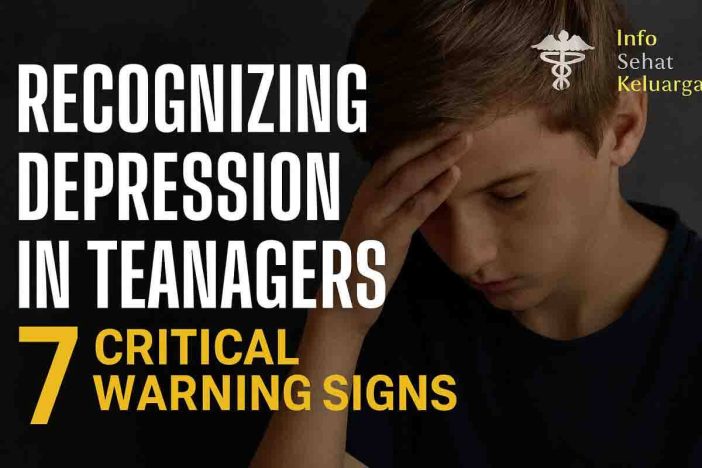
Recognizing depression in teenagers often begins with the smallest of changes — a quiet dinner table, a closed bedroom door, or laughter that fades into silence. On a typical school morning, 16-year-old Mia sat scrolling endlessly through her phone, her once-vibrant spirit dimmed. At first, her parents dismissed it as ordinary mood swings, the kind that come with adolescence. But as weeks turned into months, those subtle signs grew heavier, revealing a silent battle within.
This hidden struggle is alarmingly common. According to the World Health Organization (WHO), depression is among the leading causes of illness and disability in adolescents, and suicide is the fourth leading cause of death in 15–19-year-olds. These sobering facts underline why early recognition and compassionate support are critical in guiding young people toward recovery.
Why Teenage Depression Matters More Than Ever
Adolescence is a turbulent stage where emotions run high, identity is being formed, and social pressures mount. Studies from the National Institute of Mental Health (NIMH) estimate that 17% of U.S. teenagers experience at least one major depressive episode before the age of 18. What’s alarming is that nearly 60% of them receive no treatment at all.
This gap between recognition and support has devastating consequences. Untreated depression in adolescence can lead to:
- Academic failure and school dropouts
- Increased risk of substance abuse
- Strained family and peer relationships
- Higher risk of self-harm and suicide
By recognizing depression in teenagers early, families and schools can act before the condition worsens.
In today’s world, where teenagers spend hours online, digital pressures often worsen feelings of loneliness and stress. As discussed in our article on Kesehatan Mental di Era Digital, understanding how technology impacts the mind can help parents create healthier boundaries and support teenagers dealing with depression.
According to the World Health Organization, adolescent mental health is a global priority, with depression ranking among the top contributors to illness in young people. Their comprehensive fact sheet provides up-to-date statistics, risk factors, and preventive strategies that families and educators can apply. Referring to this resource not only enriches your understanding but also ensures that your actions are based on trusted global health insights. By integrating WHO’s expertise, parents gain clarity on how widespread this issue truly is.
Recognizing Depression in Teenagers: 7 Critical Warning Signs You Shouldn’t Ignore
1. Persistent Sadness and Withdrawal
While moodiness is part of growing up, a teen who seems persistently sad, hopeless, or disconnected may be showing signs of depression. They might withdraw from friends, avoid activities they once enjoyed, or isolate themselves in their room.
🔍 Actionable Tip: If your teenager is avoiding social interactions for more than two weeks, initiate a gentle, non-judgmental conversation. Phrases like, “I’ve noticed you’ve been quieter lately, is something on your mind?” can open the door.
2. Dramatic Changes in Sleep Patterns
According to the CDC, teenagers need about 8–10 hours of sleep per night, yet many depressed teens struggle with insomnia or oversleeping. Sleep disruption not only worsens mood but also affects focus, learning, and memory.
📌 Support Strategy: Establish consistent bedtime routines, limit screen time at night, and encourage relaxation practices like journaling or listening to calming music.
3. Academic Decline and Lack of Focus
A sudden drop in grades, missed assignments, or lack of concentration in class could be more than laziness — it may signal teen depression. Teachers are often the first to notice these red flags.
✅ Example: A student who once excelled in science might suddenly fail tests or stop participating in group projects.
4. Irritability and Anger Outbursts
Unlike adults, teenagers often express depression through irritability, anger, or defiance. Small disagreements may turn into explosive arguments.
📊 Stat Check: Research in the Journal of the American Academy of Child & Adolescent Psychiatry shows that irritability is present in up to 80% of depressed teens.
💡 Tip for Parents: Respond with calmness instead of punishment. Focus on the emotion behind the behavior: “I can see you’re upset. Let’s talk when you feel ready.”
5. Changes in Eating Habits and Weight
Skipping meals, binge eating, or sudden weight changes can be a coping mechanism for emotional distress. For some teens, food becomes comfort; for others, it becomes the enemy.
One of the most overlooked warning signs of teenage depression is unhealthy eating behavior that leads to nutritional deficiencies.
6. Risky Behavior and Substance Use
Some teens attempt to numb their feelings with alcohol, drugs, or reckless actions. This self-destructive path can spiral quickly if not addressed.
📌 Support Strategy: Open conversations about the dangers of substances without shaming. Offer healthier coping outlets such as sports, art, or music.
7. Talking About Death or Self-Harm
The most alarming sign is when a teen talks about death, expresses hopelessness, or hints at suicidal thoughts. According to the CDC Youth Risk Behavior Survey (YRBS), 1 in 5 high school students has seriously considered suicide.
🚨 Immediate Action: Take every mention of self-harm seriously. Seek professional help from a counselor, psychiatrist, or call a suicide prevention hotline.
Effective Support Strategies for Parents and Educators
1. Foster Open Communication
Create a safe space where teens feel heard. Instead of lecturing, practice active listening. Encourage them to share without fear of judgment.
2. Normalize Mental Health Conversations
Talk about mental health like physical health. Just as you would discuss a sprained ankle, discuss anxiety, sadness, and stress.
3. Encourage Professional Help
Therapists, school counselors, or psychiatrists provide tools to manage depression. Evidence-based therapies like Cognitive Behavioral Therapy (CBT) are highly effective for adolescents.
4. Build Healthy Lifestyle Habits
Encourage balanced meals, exercise, and sleep hygiene. Studies show that 30 minutes of daily physical activity can significantly reduce symptoms of depression in teens.
5. Leverage Peer Support
Teens often confide more in friends than parents. Schools should encourage peer support programs where students can help each other spot early warning signs.
Resources for Immediate Help
- 📞 National Suicide Prevention Lifeline (U.S.): 988
- 🌍 WHO Adolescent Mental Health Resources
- 🧑⚕️ Local school counselor or family doctor
Bottom Line
Recognizing depression in teenagers is not about labeling them but about giving them the care, compassion, and tools they desperately need. By staying alert to warning signs, engaging in open dialogue, and seeking timely help, parents and educators can turn silent struggles into hopeful recoveries.
Together, we can ensure that no teenager feels invisible in their fight against depression